Water-Saving Shower Heads: Do They Really Reduce Water Bills?

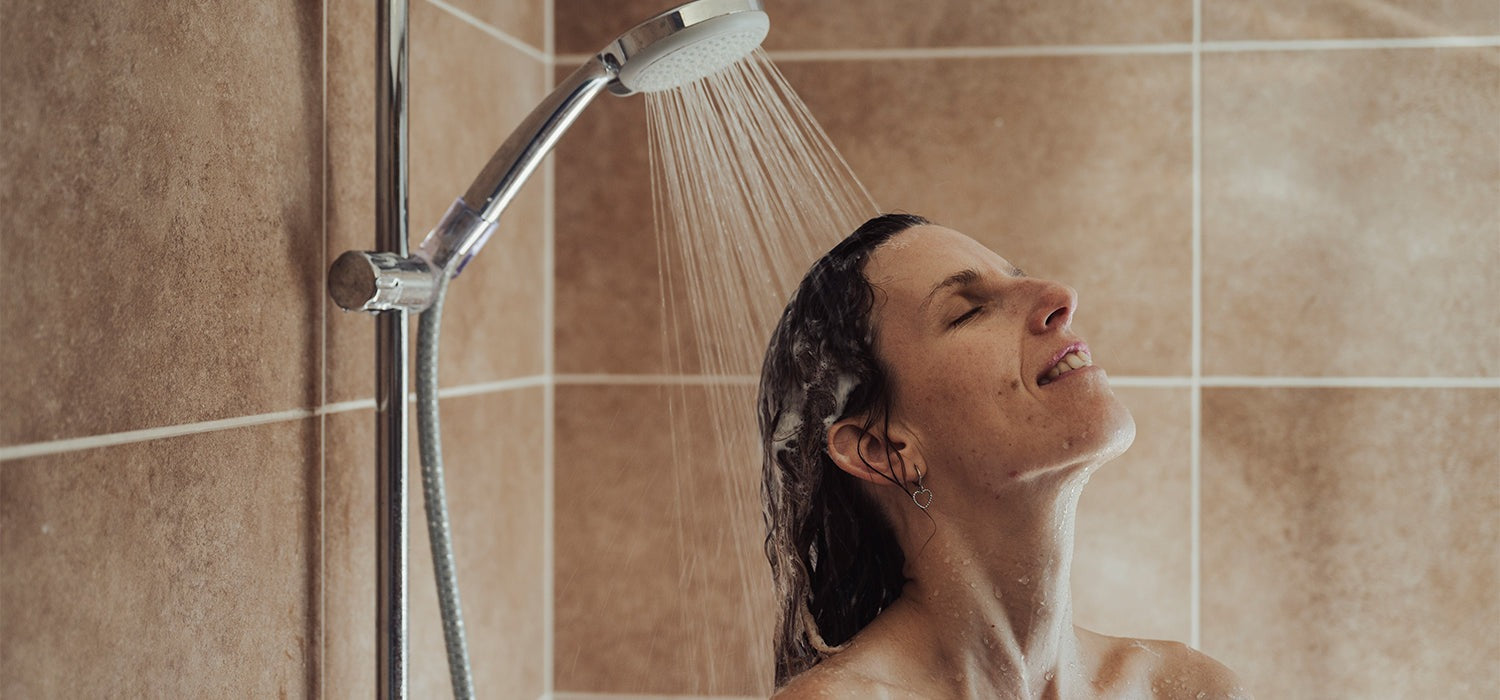
Showers are one of the few daily routines that most of us don’t think twice about — until we get the water bill. Then suddenly, every drop feels expensive. With water costs rising in many areas and increasing awareness about environmental sustainability, more people are asking: Do water-saving shower heads actually work? And if they do, are they worth the investment?
In this comprehensive guide, we’ll break down how water-saving shower heads work, what benefits they really offer, how much you can expect to save, and whether they affect your shower experience. We’ll also explore what features to look for, common myths, and practical tips for choosing the right model for your home.
Whether you’re renovating your bathroom, trying to cut utility costs, or simply interested in more sustainable living, this guide will give you the clarity you need to make a confident decision.
1. How Water-Saving Shower Heads Work (and Why They’re Different)
A traditional shower head simply lets water flow through at whatever pressure and volume your plumbing system provides. If you have a high flow rate — say three gallons per minute or more — you’re using a lot of water every time you shower.
Water-saving shower heads are engineered to reduce that flow rate without making the shower feel weak or unsatisfactory. At their core, they work in two main ways:
Restricting Flow
Water-saving models often include a flow restrictor that limits how much water can pass through the shower head per minute. Instead of letting water rush out uninhibited, these restrictors narrow the pathway or use internal mechanisms that throttle the volume.
A standard shower head in many homes may use 2.5 gallons per minute (GPM) or more, while water-saving models might use between 1.5 and 2.0 GPM. The reduced flow adds up quickly — especially in households with multiple showers per day.
Aerating or Mixing Air
Many water-saving shower heads compensate for the lower water volume by mixing air with the water as it exits the nozzles. The result is a fuller, more voluminous sensation that feels stronger than what the numbers alone would suggest. This aeration helps maintain a satisfying shower experience even while using less water.
Pressure-Boosting Technology
Some models also include built-in mechanisms that create a pressurized sensation despite the lower volume. These often use specially designed chambers or nozzle patterns that concentrate the flow, making the spray feel more powerful.
In short, water-saving shower heads are not just about reducing water — they’re about making water use more efficient and enjoyable.
2. The Real Savings: How Much Water and Money You Can Actually Save
Now the big question: do water-saving shower heads genuinely reduce water bills? The short answer is yes — but the exact amount depends on several factors.
How Often You Shower
The more showers you take, the more impact a low-flow shower head can have. In a household with multiple occupants, especially if everyone showers daily or for longer periods, savings build up quickly.
Flow Rate Comparison
Let’s consider a common example: switching from a 2.5 GPM shower head to a 1.8 GPM model. That’s a reduction of 0.7 gallons per minute. In a 10-minute shower, that’s 7 gallons saved per shower. If four people each shower once a day, that adds up to 28 gallons saved daily — or over 1,000 gallons per month.
Energy Savings
Water savings also translate to energy savings, since less hot water is used. Heating water accounts for a significant portion of a household’s energy use, so reducing water flow also reduces the amount of energy required to heat that water. Over time, this can lead to noticeable savings on utility bills.
Combined Savings
When you add up reduced water use and lower energy bills, the total savings — especially in larger households — can be substantial over the course of a year.
That said, exact savings will vary based on local water rates, energy costs, household size, and shower habits. In areas with higher water prices, the financial impact is more pronounced than in places where water costs are very low.
The important thing to remember is this: water-saving shower heads won’t eliminate bills, but they do reduce overall water and energy use in a measurable way if you use the shower regularly.
3. Do Water-Saving Shower Heads Affect Shower Quality?
One of the biggest concerns people have about low-flow shower heads is that they might make showers less enjoyable — weak, drippy, or unsatisfying. The good news is that technology has improved dramatically in recent years.
Here’s how modern water-saving shower heads maintain a pleasant experience:
Aerated Spray Feels Fuller
By mixing air into the water stream, the spray feels thicker and more voluminous. It can mimic the sensation of higher water output even though the actual volume is lower.
Pressure-Boosting Features
Some shower heads use internal design tricks that create a “pressure boost” effect. These designs channel water through smaller openings that naturally increase velocity, giving a stronger feel without using more water.
Multiple Spray Settings
Many models offer a range of spray patterns — from soft rain to pulsing massage jets. These adjustable settings let you choose the experience you like best, making it easier to find comfort even with lower flow.
Design Matters
The arrangement and quality of nozzles also play a big role. Well-engineered shower heads distribute water evenly, reducing the sense of weak zones or dribbling.
In other words, water-saving shower heads don’t have to sacrifice quality for efficiency. Many people find that they actually enjoy their showers more because the spray feels more concentrated and responsive than older, unrestricted models.
Of course, there are exceptions — some very cheap or poorly designed models may not perform well. That’s why it helps to understand what features matter most and to choose based on performance rather than price alone.
4. Choosing the Right Water-Saving Shower Head for You
With so many options on the market, selecting the right water-saving shower head can feel overwhelming. Here are practical factors to consider so you make a choice you’ll be happy with long term:
Flow Rate
Look for models with a lower GPM rating (ideally between 1.5 and 2.0). Lower numbers mean more savings, but balance this with technology that enhances the shower feel so you don’t lose comfort.
Spray Settings
Multiple settings give you flexibility. If you enjoy variety — soft rainfall, pulse, massage spray — a model with adjustable patterns will make showers more enjoyable without wasting water.
Nozzle Quality
Rubber or silicone nozzles are easier to clean and resist mineral buildup, which helps maintain performance over time. Mineral buildup can reduce both spray quality and efficiency, so this feature matters more than it might seem.
Pressure Technology
Some water-saving shower heads are specifically engineered to perform better in low-pressure environments. If your water pressure isn’t strong, choose a model with pressure-boosting design so you won’t feel like you’re showering under a trickle.
Material and Finish
Stainless steel and high-quality plastics tend to last longer and resist corrosion. The finish also affects how easy the shower head is to clean and how it looks in your bathroom. Matte white, brushed nickel, or polished chrome are popular for their durability and style.
Ease of Installation
Most water-saving shower heads screw onto your existing shower arm without any special tools. If you’re comfortable with basic DIY, installation is usually straightforward. If not, a professional can handle it in minutes.
Considering these features helps you choose a shower head that saves water while still delivering a shower experience you actually enjoy.
5. Final Thoughts: Are Water-Saving Shower Heads Worth It?
So, do water-saving shower heads really reduce water bills? The answer is a confident yes — when chosen with care.
Water-saving models reduce the flow rate of water, meaning less of it comes out per minute. Because showers are one of the largest household water uses, cutting this volume adds up quickly — especially over years of regular use. When you factor in the energy savings from heating less water, the total financial benefit becomes even more meaningful.
But the value isn’t just about money. Installing a water-saving shower head is also a way of living more sustainably — using less water without needing major plumbing upgrades or lifestyle changes. In many regions, saving water is not just a cost issue but an environmental one, and every drop counts.
Modern technology has largely eliminated the trade-off between efficiency and comfort. With well-designed models, you can enjoy a rich, satisfying shower experience while significantly reducing water use. Adjustable spray settings, pressure-boosting features, and clever internal engineering all contribute to making low-flow shower heads better than ever.
If you’re on the fence, ask yourself this: How often do you shower? What’s your water pressure like? How much do you care about sustainability or saving on utilities? For most households, the answers make the choice clear. A water-saving shower head is a low-cost upgrade with a high impact, and it’s one of the easiest ways to make a bathroom more efficient without sacrificing comfort.
In short, water-saving shower head are more than a trend — they’re a practical solution that delivers real results.
Comments
Great Article