Common Wall-Hung Toilet Problems and How to Fix Them

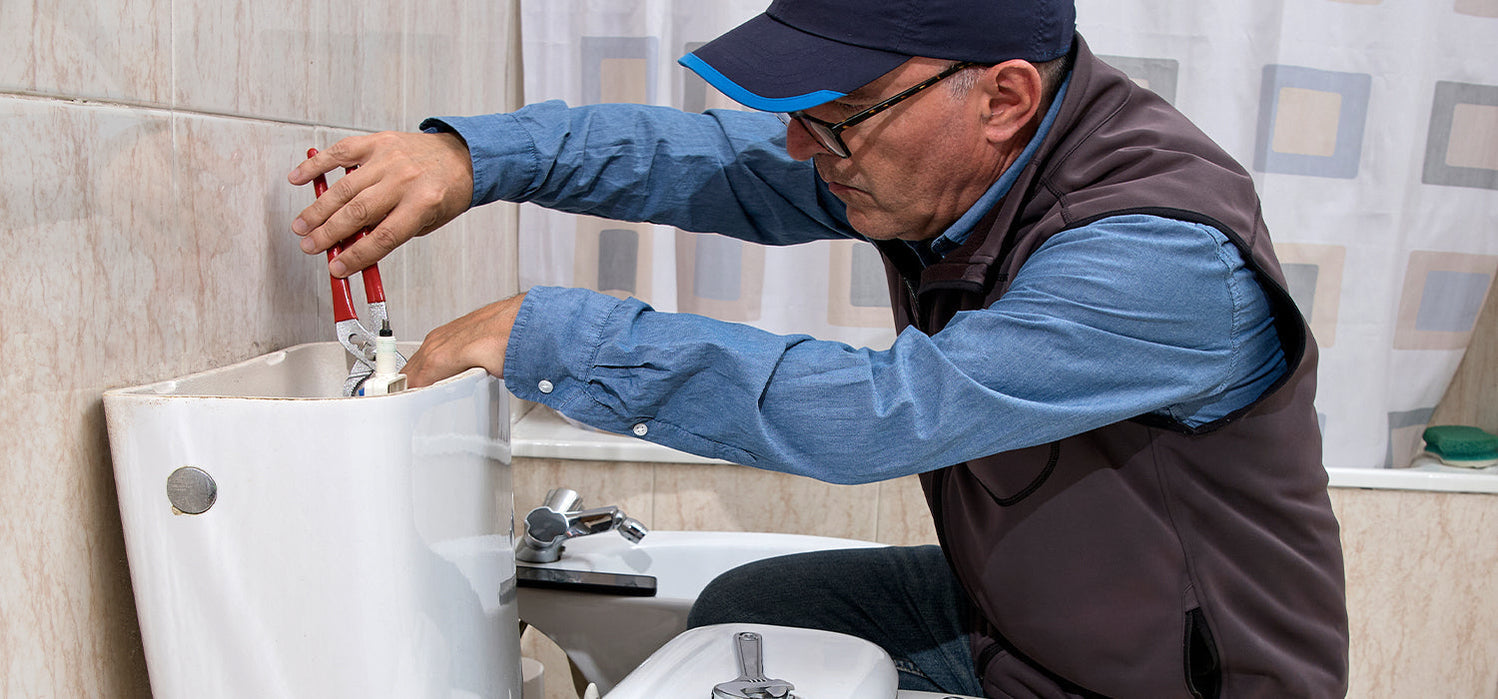
Wall-hung toilets are a popular choice for modern bathrooms because they save space, look sleek, and make cleaning easier. However, like any plumbing fixture, they aren’t immune to problems. Because the tank and flushing system are hidden inside the wall, issues can feel more intimidating than they really are. Fortunately, most common wall-hung toilet problems are easy to diagnose and fix with the right approach.
This guide covers the most frequent issues, what causes them, and practical solutions to keep your wall-hung toilet performing at its best.
1. Wobbly or Loose Toilet Bowl
A wobbly wall-hung toilet can be alarming, especially since it’s mounted off the floor. In most cases, the bowl should feel rock-solid if installed correctly.
Causes:
-
Loose mounting bolts
-
Improperly installed frame or wall support
-
Slight shifting of the wall or frame over time
How to Fix:
-
Check the bolts securing the bowl to the frame. Tighten them carefully, but avoid overtightening, which could crack the ceramic.
-
If the frame is loose, inspect the wall anchors. In some cases, you may need to reinforce the studs or brackets to restore stability.
-
Always use a spirit level to ensure the bowl is properly aligned before tightening.
A properly mounted wall-hung toilet should never wobble under normal use. If it does, it’s a sign that adjustments are needed immediately to prevent further damage.
2. Weak or Ineffective Flush
A weak flush is a common complaint with wall-hung toilets. Because the tank is hidden in the wall, diagnosing the problem can feel tricky.
Causes:
-
Low water pressure
-
Partially blocked fill or flush valve
-
Incorrect tank settings or misaligned components
-
Mineral buildup in pipes or nozzles
How to Fix:
-
Inspect the flush mechanism through the access panel behind the flush plate. Ensure the valve moves freely and isn’t obstructed.
-
Clean or replace clogged nozzles, which are often caused by mineral deposits.
-
Check the water supply line for blockages or partial closure.
-
Adjust the flush valve settings if possible; some tanks allow you to increase the water flow per flush.
Regular maintenance, such as occasional descaling, can prevent weak flushing from becoming a recurring issue.
3. Constantly Running or Leaking Toilet
A wall-hung toilet that keeps running water or leaks from the bowl is both annoying and wasteful.
Causes:
-
Faulty or worn-out flapper or seal in the concealed tank
-
Misaligned or damaged fill valve
-
Condensation forming on the tank, causing water to drip
How to Fix:
-
Access the tank via the flush plate and inspect the flapper or rubber seal. Replace it if it’s cracked, warped, or not seating properly.
-
Check the fill valve and adjust or replace it if it fails to stop filling.
-
Ensure that the tank is properly insulated; some models allow you to add an internal insulation sheet to prevent condensation drips.
Fixing leaks promptly prevents water damage and keeps your utility bills in check.
4. Noisy Flush or Fill System
While wall-hung toilets are often quieter than floor-standing ones, some can develop unwanted noise during flushing or refilling.
Causes:
-
High water pressure or sudden surges in the supply line
-
Loose components inside the tank
-
Air trapped in the pipes
How to Fix:
-
Tighten any loose tank or flush plate components.
-
Install a pressure-reducing valve if your water supply is excessively strong.
-
Bleed the system to remove trapped air. This may involve running water through the system a few times and gently adjusting valves.
A quiet toilet isn’t just pleasant; it’s also a sign that the internal system is functioning correctly.
5. Access and Maintenance Tips
Because wall-hung toilets conceal the tank, maintenance is slightly different from traditional toilets. A few proactive habits can prevent common problems:
-
Regular Cleaning: Clean the bowl and flush plate weekly to prevent buildup and maintain hygiene.
-
Check Flush Plate Function: Occasionally remove the flush plate to inspect for wear or debris.
-
Descale: In areas with hard water, mineral buildup can affect valves and nozzles. Soak components in vinegar or use a gentle descaling solution every few months.
-
Professional Inspection: If you notice persistent leaks, wobbling, or weak flushing that you can’t fix yourself, a plumber familiar with wall-hung systems can check the in-wall frame and tank components.
Proactive maintenance ensures that your wall-hung toilet remains reliable for years.
Conclusion
Wall-hung toilets offer elegance, space-saving benefits, and easy cleaning, but like any plumbing fixture, they can experience problems. Common issues include wobbling, weak flushes, leaks, and noise—all of which are often easy to resolve with proper inspection, minor adjustments, or replacement of small components.
Understanding how a wall-hung toilet works, along with routine maintenance, makes troubleshooting simple. Most problems stem from installation issues, minor wear and tear, or mineral buildup, rather than the toilet’s design itself.
With the right approach, your wall-hung toilet can remain safe, functional, and visually appealing for many years, letting you enjoy all the benefits of this modern bathroom solution without the stress of unexpected problems.